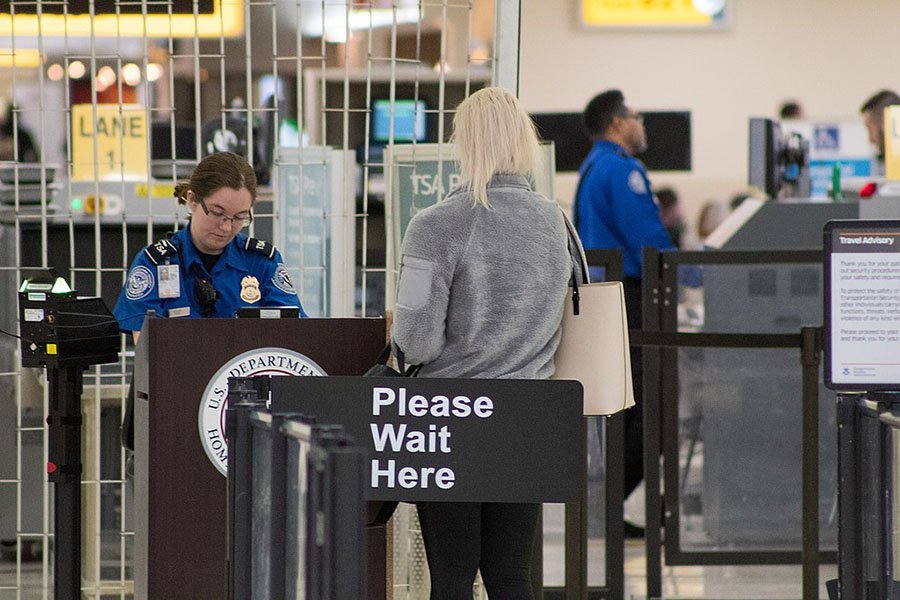
Waiting in endless airport security lines can drain the joy out of any trip before it even begins. You know the drill: fumbling with shoes, wrestling laptops out of bags, separating liquids into tiny plastic bags. But what if there was a way to bypass much of that hassle, moving through security with a quiet confidence that almost feels like cheating? Enter TSA PreCheck, the U.S. government program designed to get prescreened, low-risk travelers through airport security much faster and with far less friction. This guide will walk you through exactly what TSA PreCheck is and how it works, helping you decide if it’s time to upgrade your travel experience.
TSA PreCheck At a Glance
- What it is: A U.S. government Trusted Traveler Program for expedited airport security.
- Key Benefit: Faster, more streamlined security screening at over 200 U.S. airports.
- Wait Times: 99% of passengers wait less than 10 minutes.
- Screening Perks: Keep shoes, light jackets, and belts on. Laptops and liquids stay in your carry-on.
- Eligibility: U.S. citizens, U.S. nationals, lawful permanent residents, and some international travelers via Global Entry or NEXUS.
- Cost: $85 for 5 years (renewal is $70-$78), often reimbursed by credit cards.
- How to Apply: Online application, in-person interview, fingerprinting, background check.
- How to Use: Add your Known Traveler Number (KTN) to airline reservations; look for the "TSA Pre✓®" lane.
What Exactly Is TSA PreCheck?
TSA PreCheck is an official program from the U.S. Transportation Security Administration (TSA) designed to make air travel more efficient for frequent flyers. By pre-screening eligible travelers, the TSA can identify individuals deemed "low-risk," allowing them to use dedicated security lanes with fewer requirements than standard screening. It's essentially a fast pass through airport security, letting you spend less time in line and more time relaxing before your flight.
This initiative is a cornerstone of the Trusted Traveler Programs, aiming to enhance security while improving the traveler experience. It differentiates between known, vetted travelers and those who require more extensive screening, optimizing resources and reducing overall wait times at checkpoints.
The Unbeatable Benefits: Why PreCheck is a Game Changer
The appeal of TSA PreCheck isn't just about saving a few minutes; it's about transforming the often-stressful airport security process into a smoother, more predictable experience. Here’s why millions of travelers swear by it:
Skip the Lines (and the Stress)
Perhaps the most significant advantage of PreCheck is the drastically reduced wait times. Imagine sailing past long lines of frustrated travelers while you head directly to a special, expedited lane. The TSA proudly reports that a remarkable 99% of PreCheck passengers typically wait less than 10 minutes at security checkpoints. This means less anxiety about missing a flight and more time to grab coffee, browse shops, or simply unwind.
Keep Your Stuff On: Shoes, Belts, and Light Jackets
The classic airport security shuffle involves removing layers, but not with PreCheck. You can keep your shoes, light jackets, and belts on as you pass through the metal detector or body scanner. This seemingly small convenience makes a huge difference in how quickly and comfortably you navigate the checkpoint, especially during peak travel times. No more hopping on one foot to re-tie laces, or struggling with a belt while balancing your carry-on.
Laptops & Liquids Stay Put in Your Bag
One of the biggest time-savers is not having to unpack and repack your electronics and toiletries. With TSA PreCheck, your laptop can remain tucked away in your carry-on bag. The same goes for liquids, gels, and aerosols – as long as they adhere to the standard 3-1-1 rule (travel-size 3.4 oz/100 ml containers, all fitting in one quart-size bag), they can stay zipped up in your luggage. This not only speeds up your process but also reduces the risk of leaving something behind.
Family-Friendly Travel
Traveling with children often adds layers of complexity, but PreCheck helps simplify things. If you are an enrolled parent or guardian, children aged 12 and younger can accompany you through the TSA PreCheck lane. This means your entire young family can benefit from the expedited screening process, making the start of your family vacation much less hectic.
Who Can Apply? Eligibility Requirements Decoded
TSA PreCheck is primarily designed for U.S. citizens and residents, but its benefits extend to some international travelers through related programs. Understanding the eligibility criteria is the first step toward enjoying a faster airport experience.
U.S. Citizens, Nationals, and Lawful Permanent Residents
The core eligibility for TSA PreCheck includes U.S. citizens, U.S. nationals, and lawful permanent residents (green card holders). If you fall into one of these categories, you’re on the right track to apply directly for the program. You'll need to provide valid documentation, such as your passport or a combination of a valid photo ID and a citizenship document, to prove your status during the application process.
Canadian NEXUS Members
Good news for our neighbors to the north: Canadian citizens who are enrolled in the NEXUS program also automatically receive TSA PreCheck benefits. NEXUS is a Trusted Traveler Program designed for expedited processing when entering the U.S. and Canada, and PreCheck is a valuable perk.
Global Entry & International Travelers
For those who travel internationally frequently, the Global Entry program is an excellent option. This program includes all the benefits of TSA PreCheck, plus expedited customs clearance when arriving in the U.S. from abroad. Certain international travelers from specific countries can also access PreCheck benefits through Global Entry. These include citizens of India, Colombia, the United Kingdom, Germany, Panama, Singapore, South Korea, Switzerland, and Mexican nationals. If you're from one of these countries and qualify for Global Entry, you'll inherently gain PreCheck access.
Your Step-by-Step Guide to Getting PreCheck
Applying for TSA PreCheck is a straightforward process, broken down into a few key phases. It involves an online application, an in-person interview, and a background check. Here’s what you need to know:
Phase 1: The Online Application – Precision is Key
Your journey begins online. Visit the official TSA PreCheck application website. It's crucial to ensure that the name you provide on your application exactly matches the name on your passport or the primary identity document you plan to use at the airport. This precision helps prevent delays or issues later on. Interestingly, the gender listed on your ID does not need to match what you put on the application, as identity verification focuses on other biometric and document data.
Phase 2: The Interview – What to Expect
Once your online application is complete, the next step is an in-person interview at an enrollment center. You can schedule an appointment online for a specific time slot or, in some cases, simply walk in without an appointment.
During the interview, a TSA agent will verify your identity and citizenship. You'll need to bring original or certified copies of your identity and citizenship documentation. A U.S. passport is often the simplest document to use, but a valid photo ID (like a driver's license) combined with a citizenship document (like a birth certificate) also works. The agent will perform a background check, take your fingerprints, and ask you a few personal details to confirm your identity and history. This phase ensures you meet the "low-risk" criteria for the program.
Phase 3: The Payment – Understanding the Cost (and Savings!)
At the time of your interview, you'll be required to pay a non-refundable fee. The standard cost for a new TSA PreCheck enrollment is $85, which grants you eligibility for five years. When it's time to renew for another five years, the fee typically ranges from $70 to $78.
Here's a pro tip: Many premium travel credit cards offer reimbursement for Trusted Traveler Program application fees, including TSA PreCheck. Check with your credit card provider to see if this benefit is available to you, as it could effectively make your PreCheck enrollment free!
Phase 4: Receiving Your KTN – The Magic Number
Once your application and background check are approved, you'll receive your Known Traveler Number (KTN). This unique number is your identifier for TSA PreCheck benefits. Most applicants receive their KTN via email or phone within 3-5 days of their interview. However, in some instances, processing can take up to 60 days, so it's wise to apply well in advance of any critical travel plans.
What If Your Application Is Denied?
While most applicants are approved, there are reasons why an application might be denied. Common causes include providing incomplete or incorrect information on your application, having a history of security rule violations at airports, or having certain disqualifying criminal offenses. If your application is denied, you typically won't receive a refund for the fee, as it covers the processing and background check costs.
Using Your KTN: Seamless Travel Starts Here
Getting your KTN is only half the battle; knowing how to use it effectively is what unlocks those sweet, expedited security lines. It's simpler than you might think, but there are a couple of crucial steps to remember.
Adding Your KTN to Airline Reservations
This is arguably the most critical step. For each and every airline reservation you make with a participating airline, you must include your Known Traveler Number (KTN) in the appropriate field. This field is usually labeled "Known Traveler Number," "KTN," or sometimes "Trusted Traveler Number" during the booking process or in your passenger profile. Without your KTN attached to your flight reservation, the airline cannot communicate your PreCheck status to the TSA, and you won't be able to use the benefits. Double-check your KTN is entered correctly every time you book a flight.
Finding the PreCheck Lane at the Airport
Once you arrive at the airport, head to the security checkpoint area. Look for the clearly marked security lanes that say "TSA Pre✓®" or "Expedited Screening." These signs will direct you to the dedicated PreCheck lane, which is distinct from the standard security lines. TSA PreCheck is currently available at over 200 U.S. airports, making it widely accessible for domestic travel.
Navigating Security with PreCheck Privileges
As you approach the PreCheck lane, be ready to present your boarding pass to the TSA agent. Your boarding pass will have a "TSA Precheck" indicator (often "TSA Pre✓®" or similar) printed on it, confirming your eligibility for the expedited screening.
Once you’re through the boarding pass check, it's time to enjoy the streamlined process:
- Keep Your Gear On: You can keep your shoes, light jackets, and belts on.
- Keep Things Packed: Your liquids (following the 3-1-1 rule) and laptops can remain inside your carry-on bag.
- Simple Screening: Proceed through the metal detector or body scanner as instructed.
This efficient process allows you to glide through security, often leaving you with more time at your gate.
A Note on Random Additional Screening
While TSA PreCheck significantly expedites the security process, it's important to remember that it doesn't guarantee you'll never experience additional screening. TSA personnel are authorized to conduct secondary screenings, such as X-rays, body scans, or pat-downs, if deemed necessary, even for PreCheck passengers. This is a standard security protocol and part of the TSA's layered approach to ensuring safety. It's always best to cooperate fully with TSA officers if you are selected for additional screening.
PreCheck vs. Global Entry: Which Trusted Traveler Program is Right for You?
When considering expedited travel programs, TSA PreCheck often comes up alongside Global Entry. While both offer significant advantages, they serve slightly different needs. Choosing the right one depends on your travel habits.
Key Distinctions
The main difference lies in their scope:
- TSA PreCheck: Focuses solely on expedited airport security within the U.S. It speeds up the process of getting to your gate for domestic flights (and the domestic leg of international flights departing the U.S.).
- Global Entry: Includes all the benefits of TSA PreCheck, plus expedited customs clearance upon arrival in the U.S. from international destinations. If you frequently travel abroad, Global Entry allows you to bypass long lines at U.S. Customs and Border Protection. It's available at over 75 airports for international arrivals.
Cost Difference
As of August 2025, Global Entry costs an additional $43.25 more than TSA PreCheck alone. The specific fees are subject to change, but generally, Global Entry represents a slightly higher investment for its expanded benefits. Both programs cover five years of eligibility and are often reimbursed by various credit cards.
Making Your Choice
- Choose TSA PreCheck if: You primarily fly domestically within the U.S. and rarely travel internationally, or if the upfront cost is a major consideration.
- Choose Global Entry if: You travel internationally on a regular basis, as the ability to swiftly clear customs after a long flight is invaluable. Since Global Entry includes PreCheck, it's often considered the "two-for-one" deal for seasoned international travelers.
Think about where your travel typically takes you. If you're a globetrotter, Global Entry offers the most comprehensive expedited experience. If your journeys largely stay within U.S. borders, PreCheck is a perfectly sufficient and beneficial choice.
Common Questions & Misconceptions About TSA PreCheck
Even with clear explanations, some questions and myths tend to pop up about TSA PreCheck. Let’s clear the air on some of the most common ones.
How Long Does it Take to Get PreCheck?
The entire process, from online application to receiving your KTN, can vary. Most applicants receive their KTN within 3-5 days after their in-person interview. However, some cases can take up to 60 days. It's always a good idea to apply several weeks or even months before your next major trip to ensure your KTN is active when you need it.
Do I Need to Renew PreCheck?
Yes, TSA PreCheck eligibility lasts for five years. Before your KTN expires, you'll need to renew your enrollment to continue enjoying the benefits. The renewal process is typically simpler than the initial application, often allowing for online renewal, and costs $70-$78. You should receive reminders from the TSA as your expiration date approaches.
Can I Use PreCheck if I Forgot to Add My KTN?
Unfortunately, no. If you forget to add your KTN to your airline reservation, your boarding pass will not have the "TSA Precheck" indicator, and you will not be allowed to use the dedicated PreCheck lane. You'll have to go through the standard security line. Always double-check your booking to ensure your KTN is included.
Is PreCheck Guaranteed to Get Me Through Faster?
While 99% of PreCheck passengers wait less than 10 minutes, no program can guarantee a specific wait time. Factors like airport operations, unexpected security alerts, or even a random additional screening could cause slight delays. However, PreCheck consistently offers a significantly faster experience compared to standard lines.
Can My Whole Family Use My PreCheck?
Only children aged 12 and younger can use the PreCheck lane when traveling with an enrolled parent or guardian. Any traveler 13 years or older must have their own active KTN linked to their boarding pass to use the PreCheck lane. If your older children or spouse don't have PreCheck, they would need to go through the standard security line unless they apply and are approved for their own KTN.
Ready to Fly Through Security? Your Next Steps
TSA PreCheck has revolutionized airport security for millions, transforming a frequent point of travel frustration into a seamless part of the journey. If you're tired of long lines, fumbling with your belongings, and the general stress of airport checkpoints, enrolling in this program is a wise investment in your peace of mind.
The path is clear: confirm your eligibility, complete the online application, schedule and attend your interview, and receive your KTN. Once you have that magic number, remember to add it to every airline reservation you make. You'll soon find yourself breezing through security, keeping your shoes on, and enjoying a far more relaxed start to your travels. Why wait in line when you could be walking on by?