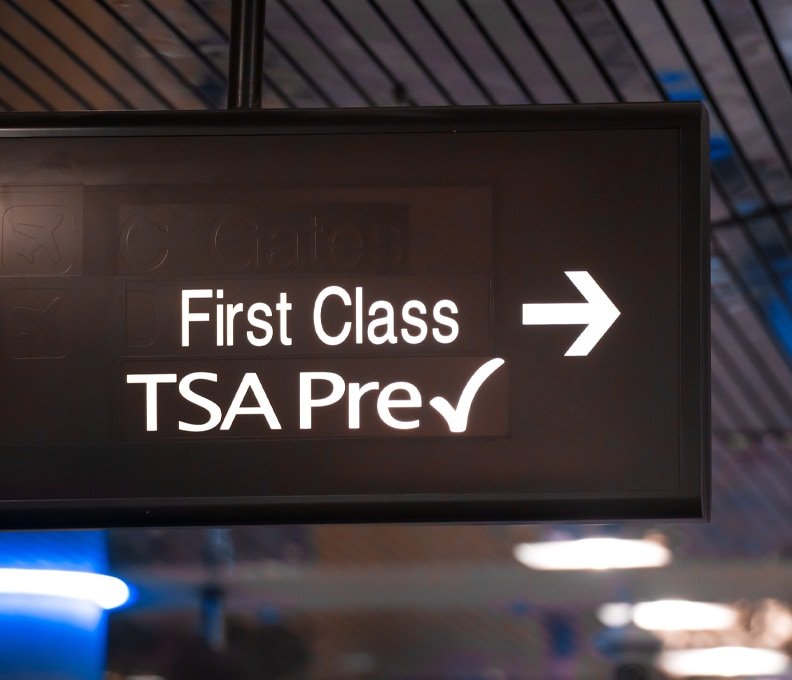
Navigating airport security can often be the most stressful part of any trip. Long lines, the frantic removal of shoes and electronics, and the general unpredictability of the checkpoint experience can dampen the start of even the most exciting adventure. For over a decade, TSA PreCheck has aimed to alleviate this stress, promising a faster, more streamlined path through security for eligible travelers. But with evolving security measures and varying travel habits, the big question remains: What is TSA PreCheck and is it still a valuable investment in today's travel landscape?
We're here to dive deep into whether this trusted traveler program truly delivers on its promise of saving you time and hassle, helping you decide if it's the right choice for your journeys ahead.
Reclaiming Your Time and Peace of Mind at the Airport
The primary appeal of TSA PreCheck lies in its ability to transform the airport security experience from a gauntlet of delays into a smoother, quicker process. For millions of travelers, it has become an indispensable tool. The data speaks for itself: 98-99% of PreCheck passengers typically breeze through security in 10 minutes or less, a stark contrast to the often 30-minute or longer waits in standard lines.
Beyond just speed, the program simplifies the screening itself. You generally won't have to remove your shoes (a rule that officially ended in July 2024 for PreCheck passengers due to advanced screening technology), belts, or light jackets. Your quart-size bag of liquids (still limited to 3.4 ounces or less per item) and all electronics can comfortably remain inside your carry-on luggage. This reduction in steps not only saves precious minutes but significantly lowers the stress often associated with airport security. If you're wondering how these benefits stack up against potential drawbacks for your specific travel style, it's wise to weigh TSA PreCheck pros and cons.
Another significant benefit for many families is the policy allowing children aged 12 and under to use the PreCheck lane when accompanied by an enrolled parent or guardian. This means the whole family can often enjoy the expedited experience without needing separate memberships for younger travelers, making trips with kids considerably less chaotic. PreCheck also serves as an entry point for security innovations, like touchless ID lanes, enhancing convenience even further.
Understanding the Investment: Cost, Enrollment, and Eligibility
Getting your hands on a TSA PreCheck membership is straightforward, involving a five-year commitment that typically costs between $77 and $85, depending on your chosen enrollment provider. The application process includes filling out an online form followed by an in-person appointment. During this brief visit, you'll provide fingerprints, have your documents verified, take a photo, and submit payment.
Many travelers find the cost almost negligible when considering the time saved and stress avoided over five years. Even just one round trip per year can make it worth the investment, averaging out to under $20 annually. Plus, for many, the cost isn't even a factor thanks to widespread reimbursement options. A large number of co-branded airline, hotel, and premium credit cards offer up to $120 in statement credit to cover the application fees for Trusted Traveler Programs. Furthermore, uniformed service members and Gold Star family members can enroll for free, and recent family offers have made it even more accessible for households. To understand the specifics of joining the program, explore our comprehensive TSA PreCheck Application Process Guide.
For a detailed breakdown of these financial aspects and to confirm if you meet the requirements, our guide on TSA PreCheck cost and eligibility offers all the information you need.
PreCheck vs. Global Entry vs. CLEAR: Finding Your Perfect Match
While TSA PreCheck excels at domestic airport security, it’s not the only game in town when it comes to expedited travel. Many international travelers often weigh their options, particularly when considering Global Entry. For an additional cost (currently $120 for five years, which includes TSA PreCheck), Global Entry offers expedited customs processing upon re-entry into the U.S. from abroad at over 75 airports, making it the ideal choice for those who frequently travel internationally. Its application process is more in-depth but offers significant benefits for global adventurers.
Then there's CLEAR, a privately run service that uses biometrics (fingerprints or iris scans) to verify your identity, allowing you to bypass the initial ID check line entirely at participating airports and venues. While CLEAR doesn't replace PreCheck, it can complement it, getting you to the front of either the standard or PreCheck security line even faster. For a complete comparison of these programs and to determine which blend of benefits best suits your travel needs, consult our definitive TSA PreCheck, Global Entry, CLEAR guide.
Is TSA PreCheck Right for Your Travel Style?
Ultimately, the "worth" of TSA PreCheck is personal, but certain scenarios strongly tip the scales in its favor:
- Frequent Flyers: If you travel by air regularly, even just a few times a year, the cumulative time savings and reduced stress quickly add up.
- Stress-Sensitive Travelers: For those who experience anxiety from unpredictable wait times or struggle with long periods of standing, PreCheck provides invaluable peace of mind.
- Reimbursement Ready: If you have a credit card that offers Trusted Traveler Program fee reimbursement, the decision becomes almost a no-brainer.
- Family Travel: Traveling with children 12 and under means they can join you in the expedited lane, simplifying the start of family vacations.
- Busy Airports & Peak Seasons: Navigating notoriously crowded airports like Atlanta (ATL), Chicago O'Hare (ORD), or during peak travel periods (holidays, spring break) makes PreCheck an absolute lifesaver.
While the exact cost over five years is minimal, averaging under $20 per year, it's wise to consider your personal travel patterns before committing. For those still on the fence, diving deeper into the nuances can help, and our resources can help you weigh TSA PreCheck pros and cons effectively.
The Future of Faster Security
The landscape of airport security is continually evolving, with technology playing an increasingly vital role. The recent change regarding shoe removal for PreCheck passengers is a testament to this progress, driven by enhanced screening capabilities. While the 3.4 oz liquid rule generally remains in place for most, advanced Computed Tomography (CT) scanners, currently being rolled out across U.S. airports, promise a future where even liquids and larger electronics can stay in your bag. These CT units are already deployed in hundreds of airports, with full implementation expected over the next 5-10 years.
Despite these technological advancements, the core value proposition of TSA PreCheck—expedited, predictable security—remains robust. The program boasts a nearly 80% renewal rate, indicating high satisfaction among its members. As security measures become more sophisticated, PreCheck continues to adapt, ensuring it remains a crucial tool for efficient and less stressful air travel. For the modern traveler, TSA PreCheck isn't just about avoiding a queue; it's about investing in a smoother, more predictable journey from start to finish.