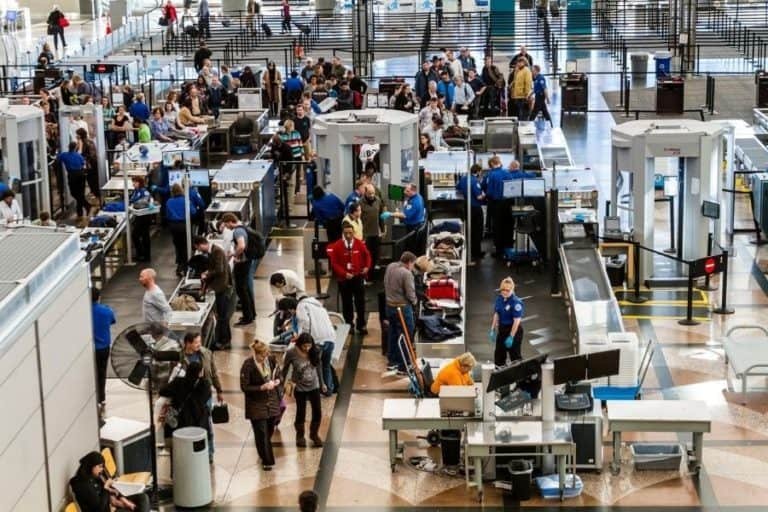
Picture this: You’re at the airport, pre-flight coffee in hand, feeling calm and collected. Instead of joining a snaking line of frustrated travelers wrestling with laptops and removing shoes, you glide through a dedicated lane, keeping your belt on, your liquids tucked away, and your sanity intact. This isn't a fantasy for the elite; it's the everyday reality for millions of travelers leveraging TSA PreCheck. But is this expedited security program truly worth the hype, or are there hidden catches that could trip up your travel plans? Let’s dissect the real benefits and disadvantages to help you decide if it’s time to upgrade your airport experience.
At a Glance: TSA PreCheck Essentials
- What it is: An expedited security screening program for U.S. citizens and lawful permanent residents.
- Key Benefits: Faster lines, less hassle (shoes on, laptops/liquids in bag), greater predictability.
- Cost: $76.75 - $85 for a five-year membership; some credit cards cover the fee.
- Application: Online form, quick in-person appointment for fingerprints/background check.
- Who Qualifies: U.S. citizens, nationals, or lawful permanent residents with no disqualifying criminal history.
- Limitations: Not guaranteed every time, primarily for domestic travel, requires a non-refundable fee.
What Exactly Is TSA PreCheck, Anyway?
At its heart, TSA PreCheck is a government program designed to streamline the airport security process for low-risk travelers. Operated by the Transportation Security Administration, it grants approved individuals access to separate, often significantly shorter, security lanes at participating airports across the U.S. It's built on trust and a robust background check, allowing security personnel to focus their efforts where they're most needed, while you enjoy a quicker path to your gate.
The Unmistakable Perks: Why Travelers Swear By PreCheck
For frequent flyers and even occasional travelers, the advantages of TSA PreCheck often quickly outweigh its minor hurdles. It transforms a notorious pain point of modern travel into something genuinely manageable.
Breeze Through Security: Keep Your Shoes On
Perhaps the most universally loved benefit of PreCheck is the simplified screening process. Gone are the days of fumbling with laces or awkwardly hopping on one foot. With PreCheck, you generally don't need to remove your shoes, belts, or light jackets. Your travel-size liquids and gels can stay in your carry-on bag, and, blessedly, your laptop no longer needs its own separate bin for screening. This small shift makes a monumental difference in the overall convenience and flow through the checkpoint, especially when you're trying to master packing carry-on essentials.
Time Is Money: Dramatically Shorter Lines
This is where PreCheck truly shines. While standard security lines can stretch into an hour or more during peak travel times, PreCheck lanes typically move much faster. The official TSA data often highlights that 90% of PreCheck passengers wait less than 5 minutes. Imagine gaining an extra 15, 30, or even 60 minutes back in your travel day – time you can spend grabbing a coffee, relaxing in a lounge, or simply breathing easy instead of stressing in line. For travelers balancing tight connections or early morning flights, this time saving isn't just a luxury; it's a necessity.
Stress Less, Travel More: Predictable Airport Experiences
Travel, by nature, comes with its share of unknowns. Delayed flights, lost luggage, gate changes – these are all par for the course. But airport security doesn't have to be one of them. PreCheck introduces a valuable layer of predictability to your journey. Knowing that you'll likely breeze through security allows for more precise travel planning. You can arrive closer to your boarding time, reduce anxiety about missing your flight, and simply start your trip feeling more relaxed. This peace of mind is invaluable, contributing to a much more enjoyable overall travel experience.
Five Years of Freedom: Long-Term Value
Once approved, your TSA PreCheck membership is valid for a full five years. This means you only go through the application and interview process once every half-decade, making it a sound investment for anyone who plans to fly even a few times a year. The convenience accrues over many trips, solidifying its value proposition.
Unpacking the Investment: Costs and Credit Card Perks
Getting TSA PreCheck isn't free, but the cost is relatively modest for the benefits it provides. The enrollment fees range from $76.75 (through Idemia) to $85 (through Telos) for a five-year membership. This breaks down to roughly $15-$17 per year, or a few dollars per trip for a frequent flyer.
Here’s a pro tip: Many premium travel credit cards offer a statement credit that covers the application fee for TSA PreCheck (or Global Entry, which includes PreCheck). Before you pay out of pocket, check your credit card benefits – you might already have this perk waiting for you. Renewal applications, which you can submit online up to six months before expiration, are often slightly less expensive than initial applications.
The Path to PreCheck: What the Application Involves
The process to become a trusted traveler is straightforward, though it does require a bit of effort upfront.
Step 1: The Online Form
Your journey begins with an online application form. This collects basic personal information and helps pre-screen you for eligibility. It’s relatively quick to complete and can be done from the comfort of your home.
Step 2: The Quick In-Person Visit
Once your online application is submitted, you’ll need to schedule an in-person appointment at an enrollment center. These appointments are typically brief, lasting around 10 minutes. During this visit, your identity will be verified, your fingerprints will be taken, and a background check will be initiated. Some locations even accept walk-ins, offering an extra layer of flexibility for busy schedules. Remember to bring valid, unexpired identification (such as a U.S. passport, Permanent Resident card, or an enhanced driver's license, or a valid photo ID with proof of citizenship like a birth certificate), and ensure the name on all your documents precisely matches your application.
Step 3: Receiving Your KTN (and How to Use It)
After your appointment, the waiting game begins. Most applicants receive their Known Traveler Number (KTN) within 3-5 days. However, the TSA advises that it can take up to 60 days, so it's always wise to apply well in advance – ideally 60 days before your next planned trip or before your current membership is due to expire.
Once you have your KTN, using it is simple: add it to every flight reservation you make. There’s usually a specific field for your KTN when booking online or checking in. When your KTN is successfully added, you’ll see "TSAPRECHK" or "TSA Pre✓" printed directly on your boarding pass, signaling your access to the expedited lane.
Who Qualifies? Eligibility Requirements
TSA PreCheck is specifically for U.S. citizens, U.S. nationals, or lawful permanent residents. This is a non-negotiable requirement. As part of the background check, certain criminal convictions can disqualify applicants. It’s important to be truthful and ensure you meet all criteria to avoid wasting the non-refundable application fee.
Beyond the Checkpoint: Where and How PreCheck Works
Understanding the scope of PreCheck's acceptance is key to maximizing its benefits.
Airlines and Airports: Widespread Acceptance
TSA PreCheck is accepted by over 90 airlines and at many airports nationwide. This includes all major U.S. carriers like Delta, American Airlines, and United, as well as many international airlines operating flights to and from the U.S. Before you fly, it’s a good practice to confirm your specific airline participates, though most large carriers do. Keep in mind that some budget airlines, particularly those primarily operating in Europe like Ryanair and easyJet, do not accept PreCheck.
Traveling with Family: The Kids-Friendly Factor
One excellent perk for families is that children aged 12 and younger traveling with an enrolled parent or guardian can also use the PreCheck line. This means the whole family can often stay together and enjoy the expedited experience. However, it's crucial to remember that any other non-enrolled companions (such as older children, other adults, or friends) cannot use the PreCheck lane, even if they are on the same reservation. They will need to go through standard security.
The Flip Side: Potential Downsides of TSA PreCheck
While the benefits are compelling, TSA PreCheck isn't without its limitations. For some travelers, these disadvantages might tilt the scale.
The Non-Refundable Price Tag
As mentioned, there's a non-refundable application fee ($76.75-$85). If your application is denied for any reason, or if you simply don't end up flying as much as you anticipated, that money is gone. This makes it crucial to ensure you meet the eligibility requirements before applying.
Time and Effort: It's Not Instant
While the process is generally smooth, it's not instantaneous. You need to carve out time for the online form and, more importantly, schedule and attend an in-person appointment for fingerprinting and the background check. This requires planning and some logistical effort on your part, unlike simply showing up at the airport. This is a common aspect of expedited travel programs.
Strict Entry: Not Everyone Qualifies
The eligibility criteria are quite strict: you must be a U.S. citizen, U.S. national, or lawful permanent resident. This immediately excludes international visitors or even some temporary residents who fly frequently within the U.S. Additionally, certain criminal convictions will automatically disqualify an applicant, meaning the program isn't available to everyone.
No Guarantees: Random Screenings Still Happen
Perhaps one of the most frustrating potential downsides is that PreCheck access isn't 100% guaranteed on every flight. The TSA reserves the right to randomly select even enrolled travelers for standard security screening or additional checks. While this is rare, it can happen, leading to confusion and, occasionally, the feeling that you've paid for a benefit that isn't always delivered. It's an important caveat to manage expectations.
Mainly Domestic: Limited International Reach
TSA PreCheck primarily benefits domestic travel within the U.S. While you might use it for the outbound leg of an international flight departing from a U.S. airport, it doesn't offer any expedited processing for international customs upon re-entry to the United States. For frequent international travelers, this is a significant limitation, which leads us to its bigger brother…
TSA PreCheck vs. Global Entry: Which Expedited Program is Right for You?
When considering expedited travel programs, the comparison between TSA PreCheck and Global Entry inevitably comes up. Many travelers wonder which one is the better investment.
Understanding the Core Differences
- Global Entry is a U.S. Customs and Border Protection (CBP) program that allows for expedited customs processing upon re-entry to the United States from international destinations. Its significant advantage is that it includes all the benefits of TSA PreCheck.
- TSA PreCheck, as we've discussed, focuses solely on expedited security screening at U.S. airport checkpoints for departures.
Cost-Benefit Analysis
- Cost: Global Entry costs $120 for a five-year membership, while TSA PreCheck ranges from $76.75 to $85 for the same duration. For a relatively small additional fee ($35-$43), Global Entry provides both expedited customs and PreCheck benefits.
- Application Process: While both require an online application and an in-person interview, Global Entry's interview process can sometimes be more involved and finding appointment slots can be more challenging due to higher demand and fewer interview locations. For more details on this, you might explore the Global Entry application process.
Making Your Decision: A Quick Guide
- Choose TSA PreCheck if:
- You primarily travel domestically within the U.S.
- You rarely (or never) travel internationally.
- You want the simplest and quickest application process.
- You want to save a few dollars compared to Global Entry.
- Choose Global Entry if:
- You frequently travel internationally (even once a year can make it worthwhile).
- You want both expedited airport security (PreCheck) and expedited customs processing.
- You have a credit card that covers the fee for either program, making the cost difference negligible.
In general, for anyone who travels abroad with any regularity, Global Entry is the superior choice due to its dual benefits and marginal additional cost. If your travels are strictly confined to U.S. borders, PreCheck is a perfectly robust solution.
Common Questions About TSA PreCheck Answered
Let’s address some of the most frequent queries travelers have about this popular program.
How long does TSA PreCheck last?
Your TSA PreCheck membership is valid for five years from the date of approval. You can typically begin the renewal process up to six months before your current membership expires.
Can I use PreCheck for international flights?
Yes, but with an important clarification. You can use your TSA PreCheck benefits at the security checkpoint when departing from a U.S. airport for an international flight. However, PreCheck does not provide any expedited benefits for customs and immigration upon your return to the U.S. from an international destination. For that, you would need Global Entry.
What if my boarding pass doesn't show PreCheck?
If you have a KTN but "TSAPRECHK" or "TSA Pre✓" isn't appearing on your boarding pass, first check that you correctly entered your KTN into your flight reservation. Ensure your name on the reservation exactly matches the name on your PreCheck application. If both are correct, contact your airline directly, as sometimes technical glitches occur. Remember, even with PreCheck, random selection for standard screening can occur.
Is TSA PreCheck worth it for infrequent travelers?
This depends on your definition of "infrequent" and your priorities. If you fly just once or twice a year, but dread airport security and value stress-free travel, the ~$15-$17 annual cost might still be worthwhile for the peace of mind and time saved. If you truly fly rarely and prioritize cost savings above all else, it might not offer enough return on investment. Consider how much you value reduced stress and saved time against the fee. It's one of many airport security tips that can enhance your travel.
Your Next Steps to Smoother Airport Travel
Deciding whether TSA PreCheck is right for you boils down to your travel habits, your budget, and how much you value time and peace of mind at the airport. For many, the ability to breeze through security, keep their belongings intact, and significantly reduce pre-flight stress makes the program an absolute no-brainer.
If you're a U.S. citizen or lawful permanent resident, you frequently fly domestically, and you appreciate a smoother, more predictable airport experience, then taking the leap and applying for TSA PreCheck is likely a smart move. If you venture internationally with any regularity, seriously consider Global Entry to get the best of both worlds. Either way, investing in an expedited program is investing in a less stressful journey, and that's a return that truly matters. Just don't forget to check if your credit card will pick up the tab – it's a great way to unlock these benefits without the direct cost. Safe travels!